
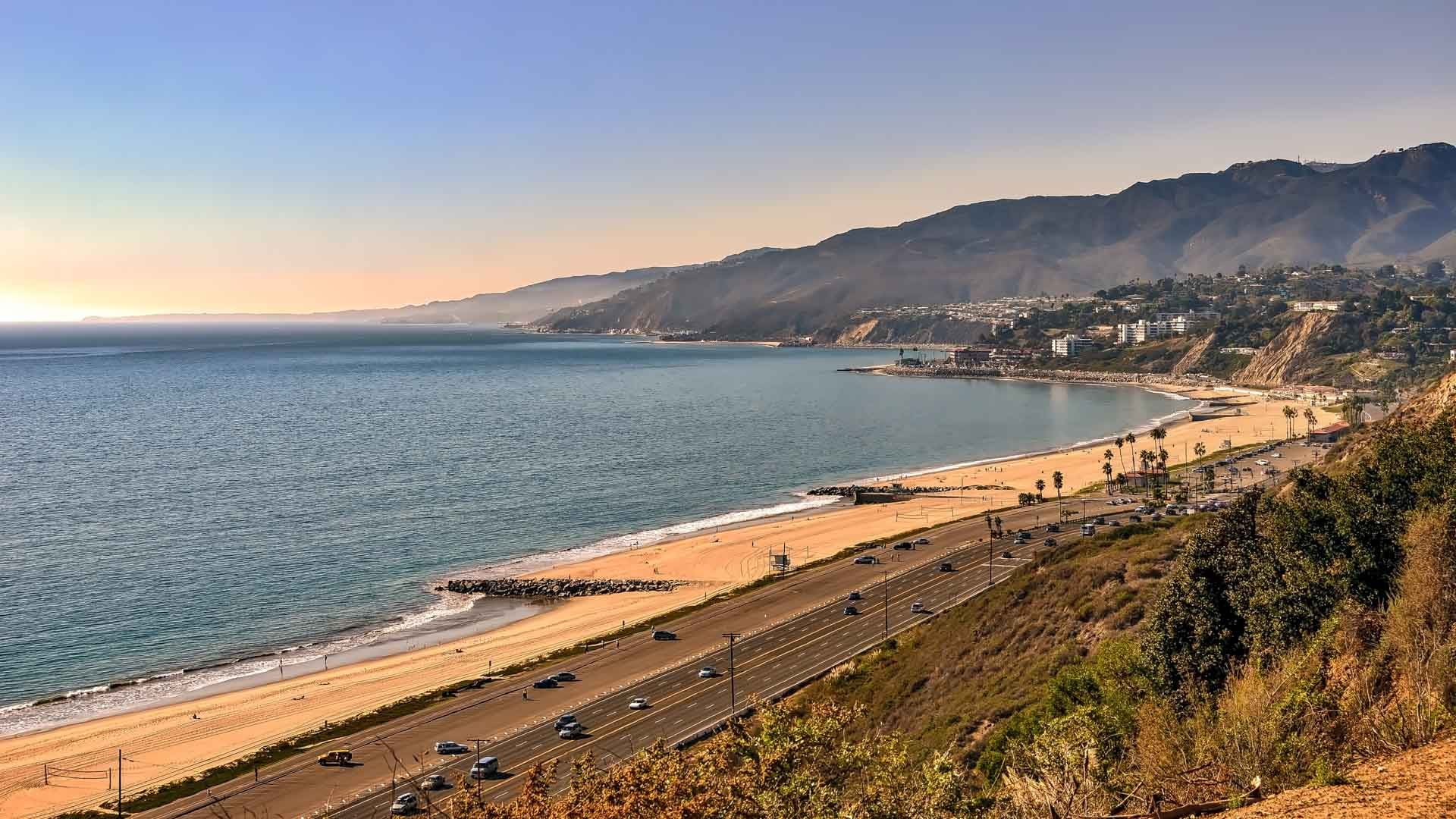
This weekend, I let myself truly step away – something that feels nearly impossible amid the current chaos and upheaval of our world. I swam in the Pacific Ocean, hiked in the Santa Monica Mountains, and attempted to ignore the uneasy warmth that doesn’t belong in Southern California this time of year. For a moment, it worked. But by Monday morning, a familiar uneasiness crept back in, settling like the marine layer over Los Angeles. Sure enough, my inbox was flooded with alerts documenting a fresh wave of environmental attacks from the Trump Administration over the weekend. And it didn’t stop at 8:00am PST, new rollbacks were still breaking, interrupting even our morning meetings.
As a climate communicator, my central focus is on making sure readers don’t just understand an issue or campaign – they leave with the tools to take action and confidence to bring their communities in on it too. In my eyes, I have failed if the only thing taken from our message is a cloud of doom above you. Thus, simply reporting on the last four days contradicts the way I naturally operate, but I also believe this moment calls for it. Consider this a first step – grounding ourselves in what’s happening so we can respond without becoming overwhelmed, and continue the fight to protect our blue-green planet.
As of Monday evening, we don’t yet have a step-by-step guide for how to take action on each of these developments. For now, I invite you to pause, absorb and reflect on the implications of what’s unfolding. Behind the scenes, our team is working with partners to develop the most strategic and impactful ways to respond. We’ll share those tools as soon as they’re ready, just as we have in the past. As they say, ICYMI (in case you missed it), below are the abridged notes – in no particular order…
- In a federal notice on Monday morning, the Department of the Interior announced a new group to the Endangered Species Committee, titled “God Squad”, will convene at the end of March. The group’s intent is to, “decide whether to give special treatment to the oil industry by allowing offshore drilling to go forward even if it would lead to the extinction of Gulf species. [They are] nicknamed the ‘God Squad’ because its members have authority over the life and death of imperiled species… The law provides the committee authority only in extreme circumstances to grant an exemption when there is no way for an activity to proceed without leading to the extinction of one or more species. None of those circumstances are present in the Gulf.” This is particularly concerning for the future success of the Rice’s whale population in the Gulf, with less than an estimated 100 individuals remaining – in addition to sperm whales and five of the total seven sea turtle species that call the Gulf home. Click this link to read more in EarthJustice’s press release.
- “Adjusting Certain Delegations Under the Defense Production Act” is an executive order, published this past Friday the 13th. This move is concealed in the recent war with Iran, originally used during the Cold War, in an attempt to argue that our country’s energy needs supersede state and local regulations. A recent article from the Los Angeles Times outlines, “following an executive order from President Trump last week, Sable Offshore Corp. announced Monday that it resumed oil flow through pipelines that run across Santa Barbara, San Luis Obispo and Kern counties. The infrastructure is part of an offshore oil operation that the Houston-based company has been trying to restart for more than a year.” This drilling project is responsible for one of the largest oil spills in California’s history, as recent as 2015. To stay up to date with our action alerts against offshore drilling and the oil industry, please visit our Action Center regularly.
- On Monday morning, the Trump Administration approved BP’s extremely controversial “Kaskida” offshore drilling project in the Gulf – despite major safety, environmental and regulatory concerns. Specifically, this ultra-deepwater project- 5,600-6,200 feet in depth-would operate under extreme conditions-well pressure of 20,000 pounds per square inch, using still-developing technology, with a significantly higher risk of catastrophes like the 2010 Deepwater Horizon spill. Despite briefly sending the plan back for revisions, regulators ultimately approved it without addressing these concerns. Joanie Steinhaus, TIRN’s Ocean Program Director, expressed in a press release by our partners at EarthJustice, “once again, BOEM has approved a deep water well in the Gulf of Mexico. Marine wildlife and communities along the Gulf coast were devastated by the BP Deepwater Horizon oil spill 15 years ago. This project is a threat to our fragile ocean ecosystem, will enflame climate change and threatens the health of coastal residents. BP has not adequately demonstrated the capacity to operate and handle an oil spill in the high-pressure, high temperature conditions of this project.” You can track our progress on this issue here in a past blog.
To stay in the loop with future action alerts covering these developments, follow us on social media here and sign up for emails here!
Banner photo credit: Lux Blue/Shutterstock.com.


