
Article written by Communications Intern, Desmond de Jesus.
Every meaningful movement begins with people deciding that change is possible.
Plastic Free July is no different. What started as a grassroots campaign has grown into a global movement, encouraging millions to rethink their relationship with single-use plastics—not because one reusable water bottle or grocery bag will solve the plastic crisis overnight, but because lasting change happens when communities act together.
It can be easy to look at the scale of plastic pollution and wonder if individual actions matter. After all, what difference does one less plastic bottle or one reusable shopping bag make? There’s a saying that puts this into perspective: “It’s just one bottle,” said seven billion people. If billions of small choices helped create today’s plastic problem, then billions of different choices can help create tomorrow’s solution. Jane Fonda reminds us, “If you want to go fast, go alone. If you want to go far, go together.” Progress depends on millions moving in a similar direction, streamlining a foundational positive mindset, all while adapting and learning each other’s needs.
 Plastic Free July is also an opportunity to look beyond daily habits and ask bigger questions about the systems producing so much plastic, and how those systems shape our scope on individuality. For decades, consumers have been misled to believe recycling alone would solve plastic pollution. Yet despite those promises, only a small fraction of plastic waste in the United States is recycled (About 5%), while plastic production continues to increase.
Many of the same industries producing plastic now promote another supposed solution: “chemical recycling,” sometimes called “advanced” or “molecular” recycling. While the name suggests innovation, many of these processes heat plastics into fuels and petrochemical feedstocks rather than creating new recyclable materials. Often, the process still depends on new fossil fuel-based plastic while generating greenhouse gas emissions, toxic waste, and hazardous pollutants. Rather than reducing plastic dependence, these technologies risk extending it, all while pushing an agenda centered around your individualism being the root of their negative impacts.
Progress against these large corporations who pull the strings behind today’s hyper-individualistic society will be defined by communities collectively reducing plastic consumption at its source. Investing in refill and reuse systems, supporting policies that hold polluters accountable, and demanding honest conversations from our leadership about what sustainability truly looks like before more damage is done is of utmost importance to mitigate consequences of plastic pollution that extend far beyond our own communities.
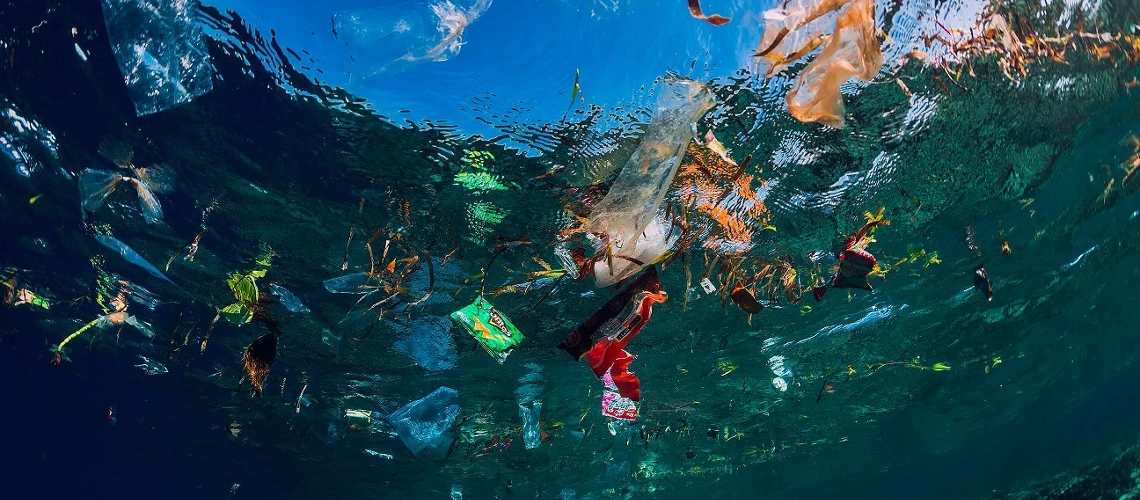
Every year, marine animals encounter plastic debris in the waters they depend on to survive. Sea turtles mistake floating plastic bags for jellyfish, seabirds feed plastic fragments to their chicks, marine mammals become entangled in discarded fishing gear, and microscopic plastics continue to move through ocean food webs in ways scientists are still working to understand. Protecting marine life begins long before plastic reaches the waterways. Check out our Gulf programs to combat marine debris here!
At Turtle Island Restoration Network, this belief guides our daily work; healthy oceans require more than cleanup efforts after the fact. They require preventing pollution before it begins, and advancing policies that prioritize wildlife, coastal communities, and long-term environmental health over short-term industry profits.
Plastic Free July reminds us that our hope is not passive but empowered through a collective consciousness. It grows when neighbors inspire neighbors, when communities organize around shared values, and when people choose to believe that their voices—and their actions—are part of something much larger than just themselves.
No single person will solve the plastic crisis alone, nor are you expected to. But together, we can use our choices, our advocacy, and our willingness to question false solutions to help ensure marine life is ethically monitored and future generations of humanity will inherit a cleaner and healthier Blue-Green planet.


 Plastic Free July campaign graphics by Elsie Barcena.


