
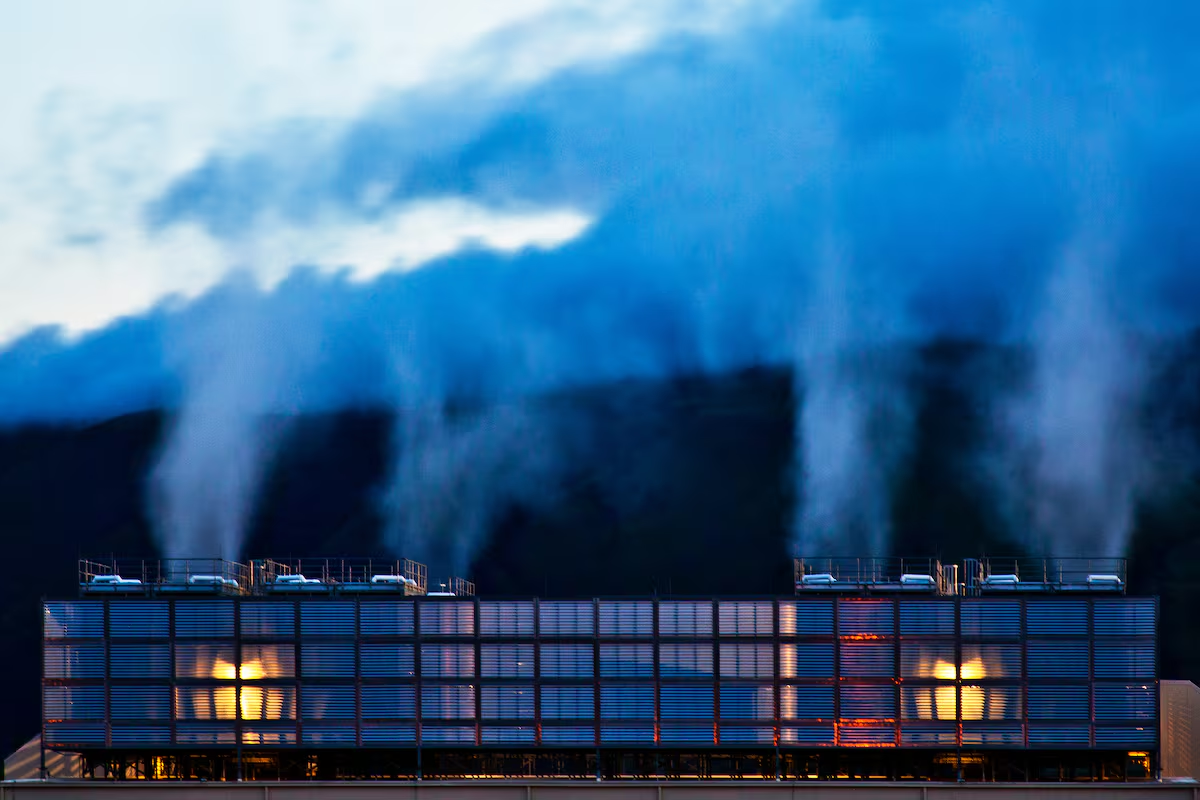
Header image of the industrial cooling towers at a Google data center located in The Dalles, Oregon, credit: El País. Image 1 of OpenAI’s Stargate project in Abilene, Texas via Distilled Earth. Image 2 of Amazon’s New Carlisle, Indiana data center via Distilled Earth.
Data Center development is at the forefront of national conversations as society’s insatiable thirst for Artificial Intelligence soars. It’s likely you’ve heard of Virginia as the epicenter for this industrial boom following the birth of Amazon, Microsoft, Meta and Google – but now the tech giants are looking to states like Texas as their new frontier of destruction. As it stands today, there are more than 4,500 data centers around our country, with upwards of 1,500 additional centers in various stages of planning.
 What’s at stake with this hyper-scale expansion? For one, data centers require enormous amounts of electricity and water – placing additional strain on already stressed natural resources – extending the lifespan of fossil fuel infrastructure and increasing demand for new gas and nuclear energy projects. New research indicates that the costs of powering data centers could be shifted onto everyday utility customers through higher bills. Communities are facing increased pollution, land use conflicts and infrastructure burdens while receiving few to no long-term local benefits.
Why Texas? Texas is often viewed as a bellwether because of its size, rapidly growing economy and leadership in energy production – despite the already stretched demands of operating its own electric grid. Thus, the decisions made in Texas will have implications for communities and policymakers across the country.
In southern Nevada, the Trump administration recently approved a massive AI data center on federal land without public notice or environmental review. The proposed facility would consume 167 megawatts of electricity, draw water from the already drought-stricken Colorado River Basin, and destroy habitat for imperiled species.
 In response, Representative Rashida Tlaib introduced the No AI Data Centers on Federal Lands Act, legislation that would permanently prohibit large AI data centers on federally owned and managed lands. As the AI boom accelerates without guardrails, the bill underscores a growing call to ensure America’s public lands remain protected for wildlife, recreation and future generations.
This is about more than technology – it’s about who bears the environmental and economic costs of our digital future. Across the country, concerned residents are successfully organizing to slow or stop harmful projects through moratoriums, local ordinances, and stronger oversight.
Every campaign builds momentum for the next – and this particular movement is growing quickly as more communities experience the negative impacts firsthand. Texas Data Center Action Week, and staying in tune with your state’s news, is an opportunity to turn public concern into lasting grassroots organizing and policy change.


